All publications on GENFABET are published in Open Access, which allows for unrestricted access, downloading, and full distribution of the article's text without financial or technical restrictions imposed by copyright laws. This practice aligns with the journal's policy that prioritizes the extensive dissemination of scientific knowledge.
GENFABET is bound by the principles and directives outlined in the COPE guidelines. All articles submitted to GENFABET undergo a rigorous blind peer review process and adhere to clear ethical policies and standards, thereby facilitating the publication of high-quality scientific studies. In the event that indications of ethical violations are identified, we are committed to conducting a thorough investigation and taking the necessary steps to maintain the integrity of the scientific literature and ensure the safety of research subjects. Submitted manuscripts must comply with GENFABET’s editorial and ethical policies, as explained in detail on the official website and in the GENFABET author's guidelines. Submissions must also align with the guidelines established for JEES journals.
The principles that serve as the foundation for our actions and decisions are as follows:
- Prevention: The objective of this initiative is to employ a dual-pronged approach of automated and manual checks to identify potential ethical issues within the peer review process and submitted manuscripts.
- Neutrality: In order to maintain fairness and objectivity, evaluations are conducted to improve the scientific literature as needed.
- Transparency: We are committed to informing all relevant parties, where possible and appropriate, and providing them with an opportunity to respond.
- Consistency: It is imperative to adhere to standard procedures in the investigation of issues and policy implementation. Moreover, it is essential to ensure that COPE consistently adheres to the principles and workflows recommended by COPE.
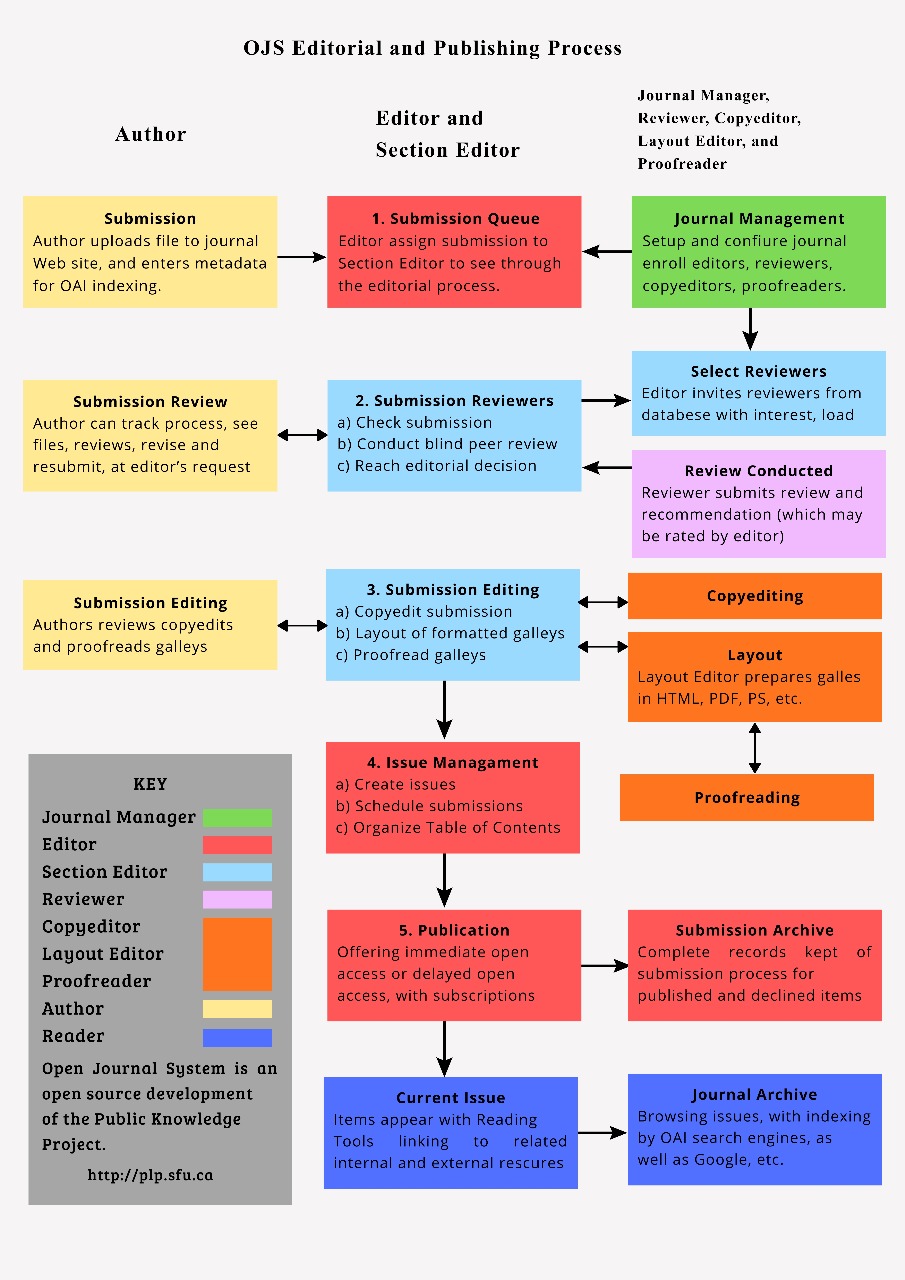
The editorial and peer-review process at GENFABET is outlined as follows:
- Editor Access: Editors have the prerogative to access articles submitted to journals or special editions at any time. However, they are bound by the obligation to maintain the confidentiality of manuscripts, abstracts, and additional data during the blind peer review and publication process.
- Manuscript Acceptance: Subsequent to submission, the manuscript is received by the internal managing editor, who assumes responsibility for the coordination of the entire editorial process. This process encompasses such phases as blind peer review, decision-making, author revision, acceptance, manuscript editing, English editing, final checking, and publication.
- Section Editor Assignment: Each article is assigned an Internal Assistant Editor (IAE), who subsequently sends a review invitation to the designated reviewer.
- Blind Peer Review Process: A minimum of two peer reports are collected for each manuscript; three reports are obtained if the initial two reports differ significantly. To ensure the integrity of the review process, reviewers are required to demonstrate expertise in a related field, refrain from collaboration with the author within the past three years, and have recent publications on the subject of the manuscript.
- Decision-making: The responsibility for determining final acceptance or rejection of a manuscript lies with the designated members of the Editorial Board, typically following the author's revisions. Revisions are permitted until the manuscript meets the standards for publication.
- Post-Acceptance Production: The in-house editorial staff is responsible for manuscript editing, English editing, and final production for online publication as soon as the manuscript is ready, although the journal is published in annual volumes and periodical or semi-monthly editions.
- Academic Editor Recognition: Academic Editors who determine admission following a blind peer review process may opt to include their name and role in the published manuscript. Special Edition Guest Editors are obligated to include their names.
- Use of GenAI: Academic Editors (Lead Editors, Editorial Board, Guest Editors) are prohibited from using GenAI tools during editorial reviews or decision-making. The uploading of manuscripts, images, tables, or related communications to GenAI is grounds for the revocation of confidentiality in blind peer review.
The following text delineates the publishing process utilized by GENFABET.